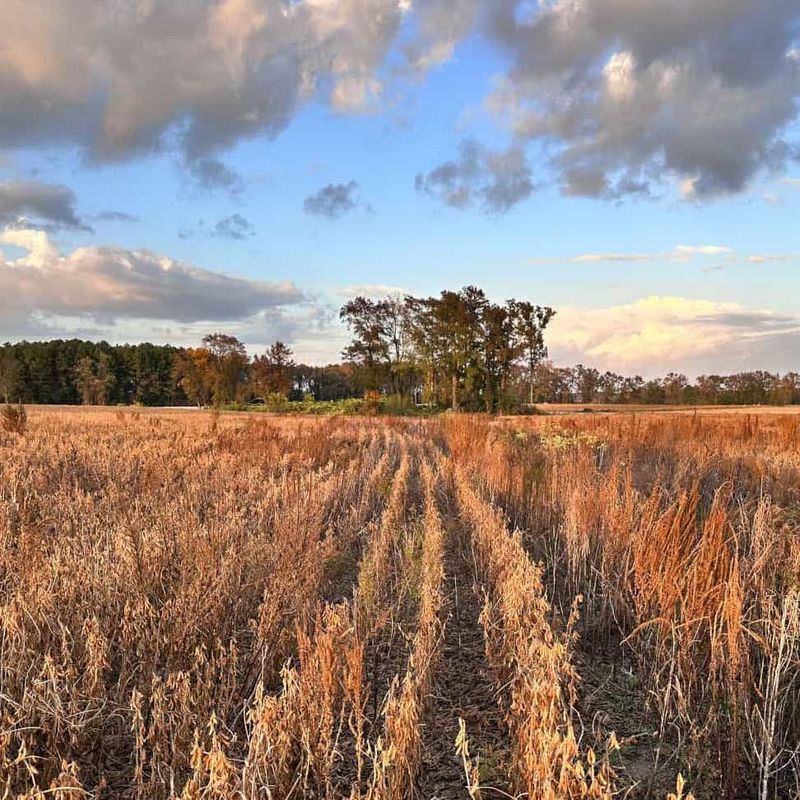
Cropland or pasture that runs to the water
Fields, ditches and pastures where crops or livestock reach the edge of a stream, so runoff and fertilizer flow straight in. Restoring a forested strip there is what generates credits.

For landowners
RestorEcology partners directly with North Carolina landowners. You bring farmed land along a stream or ditch; we permit, plant, monitor and steward the restoration at our expense, and you are paid for a conservation easement on the restored strip.
The idea
Developers in the Neuse River and Jordan Lake watersheds are required to offset the water-quality impacts of new construction. They do it by paying for restoration somewhere else in the watershed: farmed land along streams that is replanted with native trees and protected forever.
RestorEcology builds those projects. Drawing on experience with more than thirty landowners on previous mitigation work, we decided to partner with landowners directly instead of buying land through intermediaries. You provide the land along the stream; we bring the expertise, the permits, the planting crews, the monitoring and the money.
What we look for
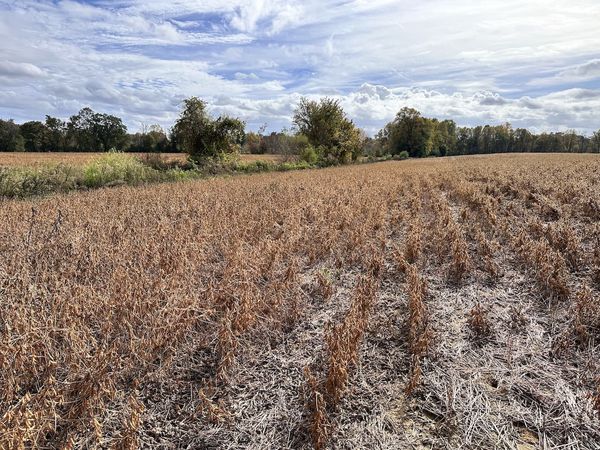
Fields, ditches and pastures where crops or livestock reach the edge of a stream, so runoff and fertilizer flow straight in. Restoring a forested strip there is what generates credits.
Wake, Johnston, Wayne and neighboring counties in the Neuse basin, and Orange, Chatham, Alamance and Durham counties draining to Jordan Lake. We also pursue stream restoration in Tennessee.
Projects usually need enough streamside acreage to be worthwhile for both sides. Smaller tracts can work when streams are long or when neighbors participate together.
How it works
Send us a location. We review maps and, if it looks promising, walk the streams with you at no cost or obligation.
Fair-market, negotiated compensation for a conservation easement on the restored strip. Choose a revenue share, a lump sum at approval, installments, or an outright sale.
RestorEcology handles survey, design and approval with the NC Division of Water Resources, then plants native hardwoods and treats invasive species.
We maintain the planting and report to the state until the young forest is established. You keep using the rest of your land.
We fund an endowment so a land trust holds the easement in perpetuity. You keep the right to walk, hunt and fish the easement area.
What you keep
FAQ
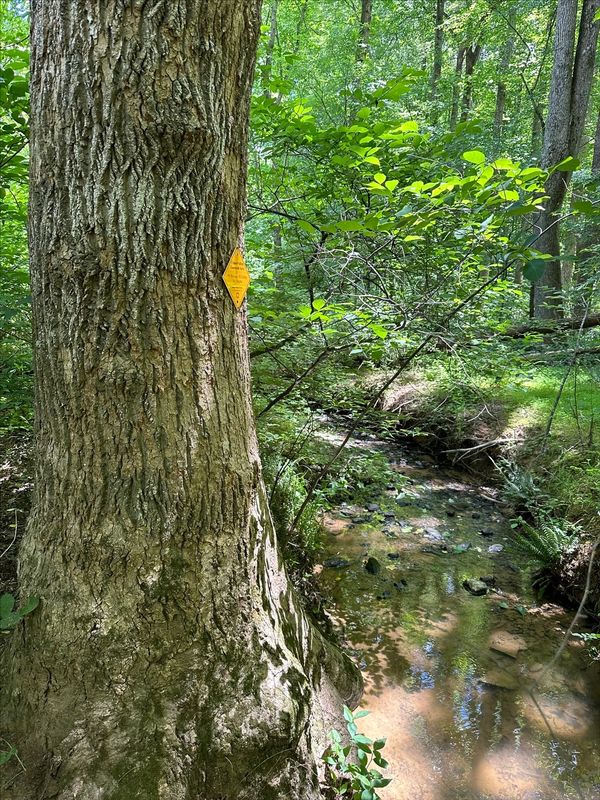
The project restores a portion of your property to a wooded habitat that provides wildlife habitat and water quality improvements in the ditches and streams on your land. Native trees such as oaks, poplar, sycamore, cypress and persimmon are planted to give the woods a jumpstart, and invasive species are treated with herbicides.
Your property has farmed areas along streams or ditches that could be restored to a natural habitat. Cropland or pasture that runs to the edge of a channel in the Neuse River basin or the Jordan Lake watershed is exactly what generates credits under North Carolina’s nutrient and buffer rules.
This is a real estate transaction with fair-market, negotiated compensation to establish a conservation easement on a portion of your property along the streams or ditches. You keep ownership of the land.
Yes. RestorEcology can use a partnering approach that shares project revenues with you as credits sell. Other options include purchasing the land outright, installment payments, or full payment when the project is approved.
The NC Division of Water Resources (DWR) oversees the development and approval of the project, reviews monitoring reports, and maintains the ledger of credits the site generates.
RestorEcology bears the cost of project development, including survey, permitting, planting, monitoring, maintenance and long-term stewardship. You provide the land; we provide everything else.
Developers in the watershed are required to offset the negative impacts to water quality created by development. They pay RestorEcology to be credited with a piece of the project. No ownership of the project or the land transfers to the developer, only the water quality improvement, measured in pounds of nitrogen or square feet of buffer, that the project created.
After the trees are monitored for five years and are growing successfully, RestorEcology funds an endowment for a long-term steward, typically a land trust, to hold the conservation easement and ensure it remains intact in perpetuity. You retain the right to walk, hunt and fish in the easement area, but cannot build trails or structures there.
Yes. The easement covers only the restored strip along the streams or ditches. Farming, timber and other uses of the rest of the property continue as before, and on livestock operations we design fencing and watering structures so the farm keeps running without interruption.
Start a conversation
A county and road name is enough to start. We'll look at the maps and get back to you. Or call Daniel Ramsay directly at (919) 817-7378.