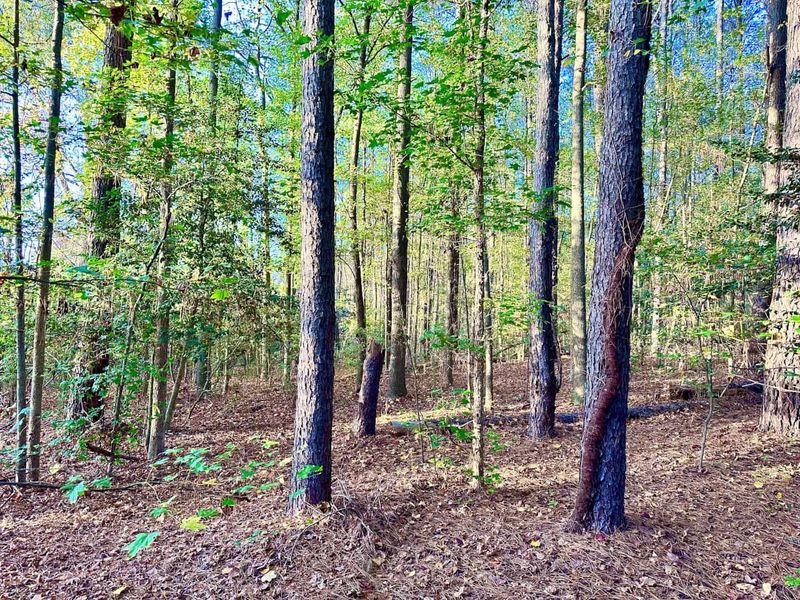
Interior of a mature pine and hardwood forest with a leaf-covered floor in autumn

Credit type · sold in square feet of buffer mitigation

Riparian Buffer Mitigation Credits

Square-foot credits from restored, permanently protected stream buffers, for permitted impacts to the 50-foot riparian buffers protected under the Neuse and Jordan Lake rules.

Neuse RiverJordan Lake

What riparian buffer credits are

Streams, lakes and ponds in North Carolina’s Neuse River basin and Jordan Lake watershed are protected by a 50-foot riparian buffer on each side, split into a 30-foot inner zone that must stay undisturbed and a 20-foot outer zone with limited allowed uses. Road crossings, utility lines, stormwater outfalls and other activities that must cross or disturb the buffer are classified in the rules as exempt, allowable, or allowable with mitigation. Activities in that last category need a buffer authorization from the NC Division of Water Resources (DWR) or a delegated local government, and the applicant must compensate for the impact by mitigating buffer elsewhere.

Mitigation is measured in square feet, at multiples of the impacted area that depend on the zone affected. Applicants can build their own buffer restoration, pay the state’s in-lieu fee program, or buy credits from an approved private buffer mitigation bank like RestorEcology’s sites.

Who needs them

  • Developers, DOT contractors and utilities whose permitted road, driveway, sewer, water or stormwater work crosses a protected buffer.
  • Environmental consultants and engineers preparing buffer authorization requests and mitigation plans.
  • Property owners with unavoidable buffer impacts on residential or agricultural land.

Your buffer authorization will state the square footage of mitigation required. We sell that exact quantity.

How our credits are generated

RestorEcology restores buffers where they have been lost, planting native hardwoods on cropland along streams and ditches and protecting the planted area with a recorded conservation easement. DWR reviews the plan and the monitored plantings and approves the site’s buffer credits, which are tracked on a ledger as they are sold. After the monitoring period, an endowed long-term steward, typically a land trust, holds the easement so the buffer stays forested in perpetuity.

Where you can use them

Buffer mitigation must be located in the same watershed as the impact:

  • Neuse River basin (HUC 03020201, excluding the Falls Lake watershed): Neuse buffer credits from Brooks Swamp, Green Heron and Sand Hill in Wayne County.
  • Jordan Lake, Upper New Hope arm: Jordan buffer credits from Bandit Farms in Orange County.

Check an address on our service-area map or ask us to confirm.

How to buy

  1. Send a credit inquiry with the project location and square feet required.
  2. We email a quote with pricing and availability.
  3. Confirm, and we send an invoice.
  4. After payment, we issue a Credit Transfer Certificate for your buffer authorization file and a copy of the DWR-approved ledger.

Most buffer mitigation purchases are small relative to a project’s budget, and having the certificate in hand keeps the authorization moving. Tell us your deadline and we will work to it.

Source projects

Sites generating riparian buffer credits

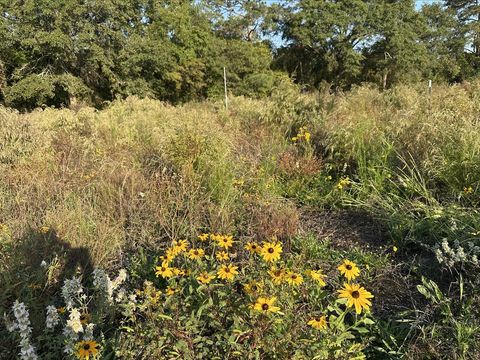
Black-eyed Susans and native grasses filling a restored field at Brooks Swamp, with mature hardwoods behind

Neuse River · Wayne County, NC · 11 acres

Brooks Swamp Mitigation Site

11 acres of former cropland along two Brooks Swamp tributaries, planted with native hardwoods in 2024. Nitrogen and Neuse buffer credits available now.

Nitrogen availableRiparian buffer available
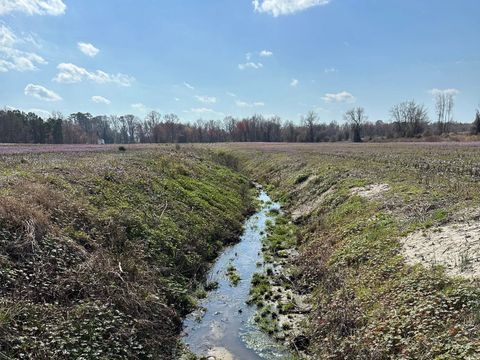
An agricultural drainage ditch running between cropland fields at the Green Heron site before restoration, with purple henbit blooming

Neuse River · Wayne County, NC · 35 acres

Green Heron Mitigation Site

35 acres on Edwards Branch and four tributary streams near Goldsboro. Existing wooded buffers preserved, cropland planted in native hardwoods. Nitrogen and buffer credits available.

Nitrogen availableRiparian buffer available
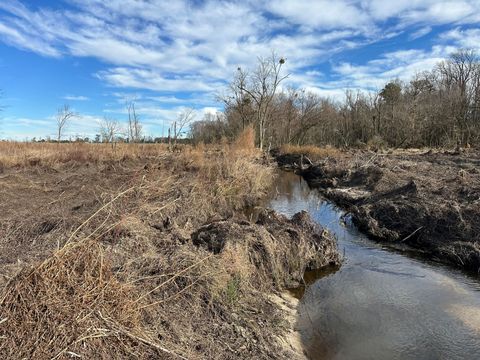
A tributary of Horse Branch flowing through cleared former cropland at the Sand Hill site in winter, before planting

Neuse River · Wayne County, NC · 33 acres

Sand Hill Mitigation Site

33 acres on Horse Branch and a tributary near Grantham. Hardwood swamp preserved, cropland planted with native hardwoods. Nitrogen and Neuse buffer credits available.

Nitrogen availableRiparian buffer available
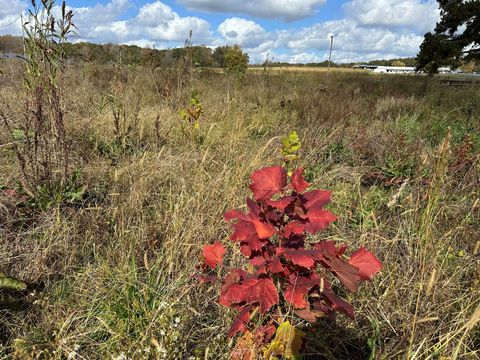
A young planted oak seedling with red autumn leaves growing in a restored meadow at Bandit Farms, with the winery buildings in the distance

Jordan Lake · Orange County, NC · 17 acres

Bandit Farms Mitigation Site

17+ acres of former cropland at a winery in the Morgan Creek headwaters, planted with native hardwoods. Buffer, nitrogen and phosphorus credits for the Upper New Hope arm of Jordan Lake.

Riparian buffer availableNitrogen availablePhosphorus available

Common questions

Buying credits from RestorEcology

How do I buy credits from RestorEcology?

Send us a credit inquiry with your project location, the credit type and the quantity your permit requires. We reply by email with a quote showing pricing and availability. Once you confirm, we issue an invoice. When payment is received (usually by check), we send a Credit Transfer Certificate that serves as your receipt and as documentation for the regulatory agency, along with a copy of the official credit ledger recording the sale.

How quickly can I get a Credit Transfer Certificate?

Quotes usually go out within a business day of your inquiry. The certificate is issued as soon as payment clears, so the overall timeline mostly depends on your side: how quickly you confirm the quote and send payment. If you have a permit deadline, tell us in your inquiry and we will work to it.

How do I know which service area my project is in?

Credits must be used in the watershed where they were generated. Our Neuse credits serve the Neuse River basin below Falls Lake Dam (HUC 03020201, excluding the Falls Lake watershed); our Jordan Lake credits serve the Upper New Hope arm; and our Tennessee stream credits serve the Hiwassee watershed with Watts Bar Lake and Middle Tennessee–Chickamauga as secondary areas. The fastest check is to type your project address into the service-area map. If you’re still unsure, send us the address and we’ll confirm.

What types of credits do you sell?

Three kinds: nutrient offset credits in pounds of nitrogen (Neuse and Jordan Lake) and phosphorus (Jordan Lake); riparian buffer credits in square feet (Neuse and Jordan Lake); and stream mitigation credits quantified with the Tennessee SQT (Porterhouse Valley Mitigation Bank).

See all frequently asked questions →

Need riparian buffer credits?

Send us your project location and the quantity your permit requires. We reply by email with pricing and availability.