The two sellers
The Division of Mitigation Services (DMS) is the state’s in-lieu fee program. You pay a published rate per pound of nutrient or per square foot of buffer, DMS issues an acceptance letter for your permit, and DMS then contracts with restoration firms to build the reductions. The money goes in first; the mitigation follows.
A private mitigation bank is a restoration project that a company like RestorEcology has already permitted, built and had approved by the NC Division of Water Resources (DWR). The approved credits sit on a ledger. When you buy, the bank debits its ledger and hands you a Credit Transfer Certificate. The mitigation exists before you pay.
Both routes satisfy the Neuse and Jordan Lake rules. DWR and local governments accept either form of documentation.
Side by side
| DMS in-lieu fee | Private bank (RestorEcology) | |
|---|---|---|
| Is the mitigation built? | Not yet; DMS builds it after collecting fees | Yes; approved and on the ledger |
| Availability | Subject to program status; applications in some Jordan Lake arms have been suspended at times | Immediate while ledger balance lasts |
| Price | Published rate schedule, adjusted at least annually, with premiums in Neuse (below Falls), Jordan and Falls Lake watersheds | Quoted per project; typically competitive with or below the state rate |
| Paperwork you receive | Acceptance letter | Credit Transfer Certificate plus ledger copy |
| Minimum purchase | Per fee schedule | None; exact quantity required |
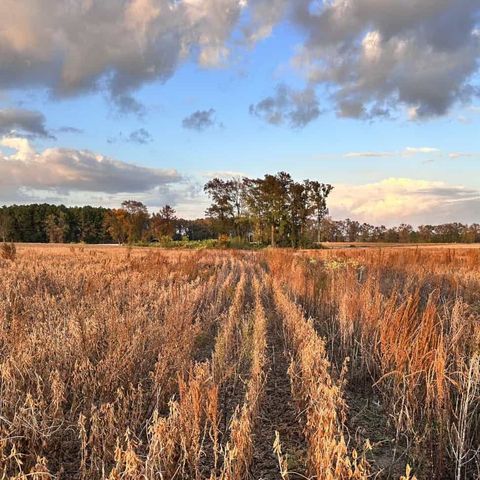
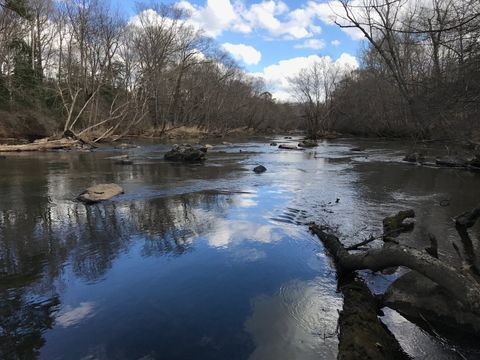
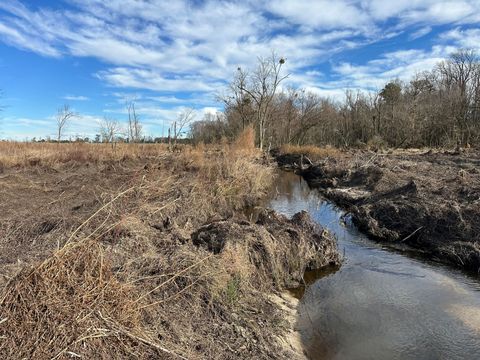
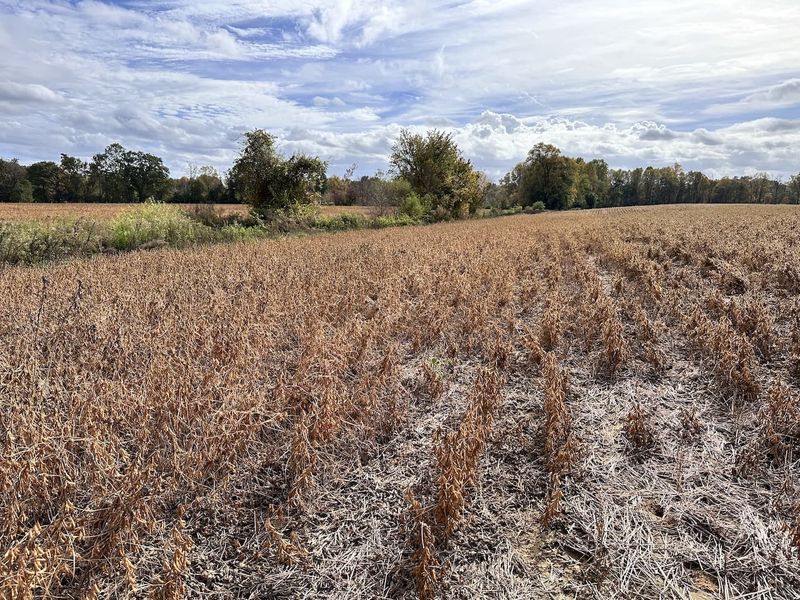
| Where the credit comes from | A future project somewhere in the watershed | A specific, named site you can visit |
| Timing | Depends on DMS processing | Quote within about a business day; certificate on payment |
When people choose DMS
- The impact is in a watershed where no private bank has credits.
- The permit reviewer or engineer is simply accustomed to the DMS process.
- The project needs a credit type that private banks rarely carry.
When people choose a private bank
- Speed. A closing or plan-approval deadline is near and the certificate is needed now.
- Certainty. The reduction already exists and has been approved; there is no risk of the program pausing.
- Price. In premium-rate watersheds like the Neuse below Falls Lake and Jordan Lake, private quotes are often lower than the published state rate. It costs nothing to ask.
- Traceability. Some owners and municipalities prefer to point to the exact field that was restored.
How a private-bank purchase works
- Inquiry. Send the project location, credit type and quantity. With RestorEcology that is a two-minute form.
- Quote. We confirm the service area, check the ledger and email pricing.
- Confirmation and invoice. Say yes and we invoice. Payment is usually by check.
- Certificate. On payment we issue the Credit Transfer Certificate for your permit file and a copy of the DWR ledger recording the debit.
Three things to check before you buy from anyone
- Watershed match. Credits must come from the same watershed as the impact, and in Jordan Lake the same sub-watershed. Our service-area map confirms this in seconds.
- Agency approval. Ask whether the site is approved by DWR and whether the credits are released. RestorEcology’s sites are, and the ledger copy we provide shows it.
- Exact quantity. Buy what the permit says, down to the fraction. Over-buying wastes money and under-buying stalls the approval.
RestorEcology sells nutrient offset and riparian buffer credits in the Neuse River basin and Jordan Lake’s Upper New Hope arm, and stream mitigation credits in eastern Tennessee. Request a quote and compare.