Where the money comes from
Developers in the Neuse River and Jordan Lake watersheds are required by state rules to offset the water-quality impacts of new construction. They do it by paying for restoration elsewhere in the watershed: farmed land along streams that is replanted with native trees and protected permanently. The state approves the restoration, assigns it credits, and the developer buys those credits.
RestorEcology builds the restoration projects. A landowner supplies the one ingredient that cannot be manufactured, land along a stream, and shares in the value the project creates.
What a conservation easement is
A conservation easement is a recorded legal agreement that permanently restricts certain uses of a defined area of land. In a restoration project the easement covers only the restored strip along the streams or ditches, typically the planted buffer and any preserved wooded wetland. Within that strip, the easement rules out clearing, building, new trails or structures. Everywhere else on the property nothing changes.
Two things matter to most owners:
- You keep title. An easement is not a sale of the land. You still own it, pay taxes on it and can sell or pass it on, with the easement attached.
- You keep access. Walking, hunting and fishing in the easement area continue as before.
How you are paid
Compensation is a negotiated, fair-market real estate transaction, and RestorEcology offers several structures:
- Revenue share. You receive a percentage of credit sales as they occur, which usually produces the highest total return over time.
- Lump sum at approval. A single payment when the state approves the project.
- Installments. Scheduled payments over a set period.
- Outright purchase. In some cases we buy the land rather than an easement.
Which is best depends on your cash-flow needs, tax situation and appetite for waiting on sales. Talk to your tax advisor; the sale of an easement is generally a taxable event, and there can be planning opportunities.
Who pays for what
RestorEcology carries every project cost: survey, design, state permitting, planting, invasive species control, five years of monitoring and reporting, and the endowment that funds long-term stewardship. You are never asked to fund any part of the work.
What we look for
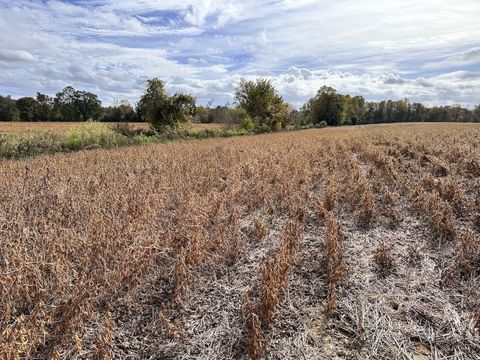
- Cropland or pasture that runs to the edge of a stream or ditch.
- Roughly ten acres or more of streamside land, though long stream frontage can make smaller tracts work.
- Location in the Neuse River basin (Wake, Johnston, Wayne and neighboring counties) or the Jordan Lake watershed (Orange, Chatham, Alamance and Durham counties). We also pursue stream restoration in eastern Tennessee.
The timeline
- Site visit. We review maps and walk the streams with you at no cost.
- Agreement. We settle on the easement area and compensation structure.
- Permitting. Survey, design and approval by the NC Division of Water Resources. This stage can take a number of months.
- Planting. Native hardwoods are planted in the dormant season, roughly November through March.
- Monitoring. Five years of maintenance and reporting while the young forest establishes.
- Stewardship. RestorEcology funds an endowment and a long-term steward, typically a land trust, holds the easement in perpetuity.
What it looks like on the ground
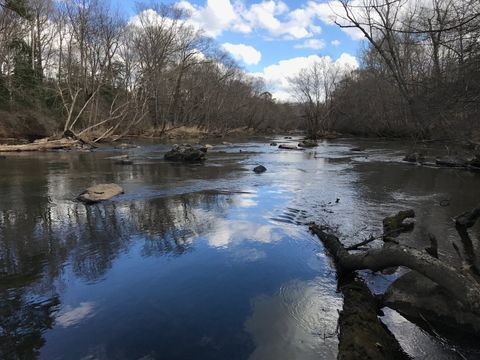
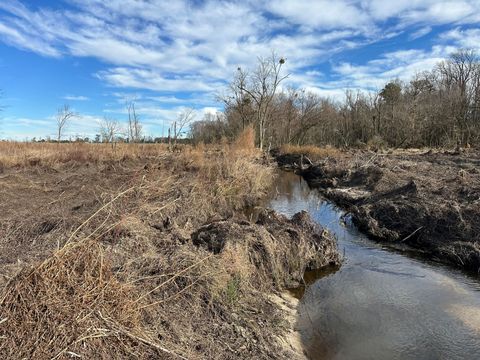
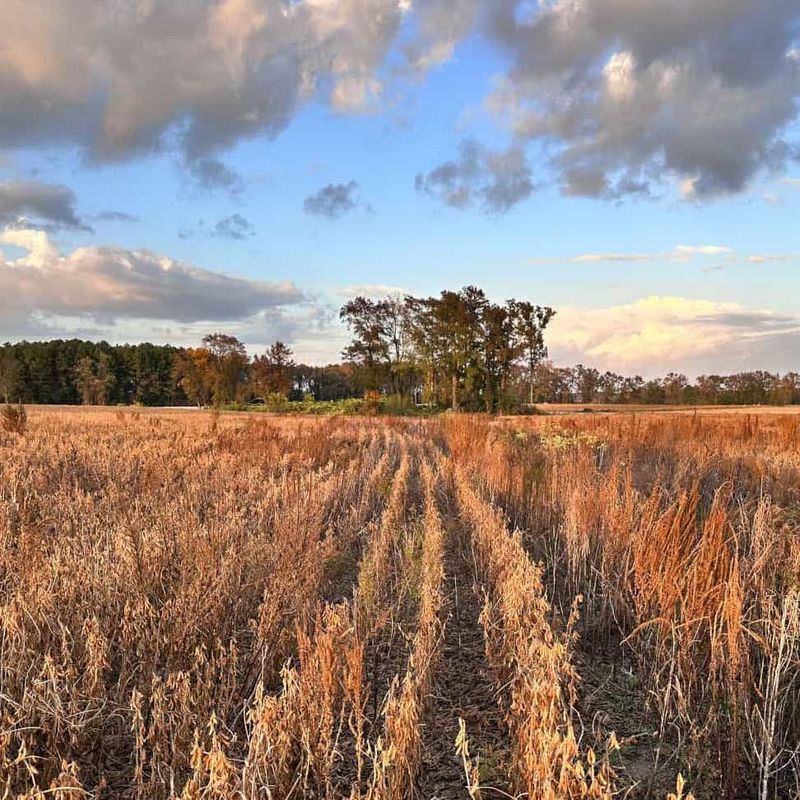
Our Bandit Farms project planted more than 17 acres of cropland at an Orange County winery while the family kept farming the rest. At Brooks Swamp, Green Heron and Sand Hill in Wayne County, former fields along Coastal Plain streams are now young hardwood forest, and the owners retained the property.
If you own land that fits, tell us about it. A county and road name is enough to start the conversation. You can also read the landowner FAQ.