Three arms, three sets of targets
B. Everett Jordan Lake, on the Haw and New Hope rivers southwest of Durham, supplies drinking water to a large share of the Triangle. Its nutrient strategy divides the watershed into three sub-watersheds, often called arms:
- Upper New Hope — the northern New Hope arm, draining Chapel Hill, Carrboro, southwest Durham and parts of Orange and Chatham counties.
- Lower New Hope — the southern New Hope arm around the lake’s east side, including parts of Cary, Apex and northern Chatham County.
- Haw River — the large western watershed from Greensboro and Burlington through Alamance County to the lake.
Each arm has its own nitrogen and phosphorus loading targets for new development, expressed in pounds per acre per year. The New Hope arms, closest to the water-supply intakes, carry the tightest nitrogen target. The exact figures are in rule 15A NCAC 02B .0265; your local government’s stormwater program applies them.
Why the arm matters for credits
When a development cannot meet its target with on-site stormwater measures, the Jordan Lake rules allow nutrient offset credits. But the state’s credit-trading rule adds a condition that does not exist in the Neuse basin: in Jordan Lake, credits must be generated in the same sub-watershed as the impact.
A Chapel Hill project in the Upper New Hope arm can only use Upper New Hope credits. It cannot use credits from a restoration site in Alamance County, even though both drain to the same lake, because that site is in the Haw River arm. The same logic applies to riparian buffer mitigation under the Jordan Lake buffer rules.
This is a water-quality decision, not a paperwork technicality. The state wants nutrient reductions to land in the part of the lake that receives the new load.
How to find your arm
- Ask your stormwater reviewer. Local governments in the Jordan watershed have mapped the arms and will confirm yours during plan review.
- Use our map. RestorEcology’s service-area map shades the Upper New Hope service area; type in a project address and it tells you whether you are inside.
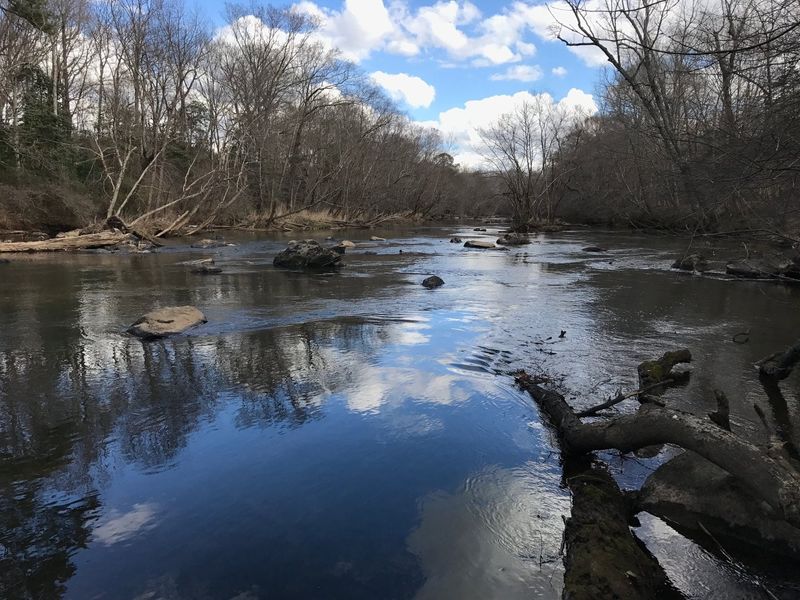
- Follow the water. If your site drains to Morgan Creek, Bolin Creek, New Hope Creek or Northeast Creek, you are almost certainly in the Upper New Hope arm. If it drains to the Haw River or its tributaries such as Reedy Fork or Cane Creek, you are in the Haw arm.
Where RestorEcology’s Jordan Lake credits work
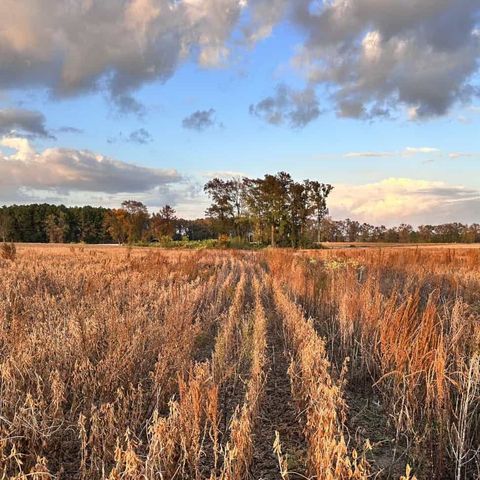
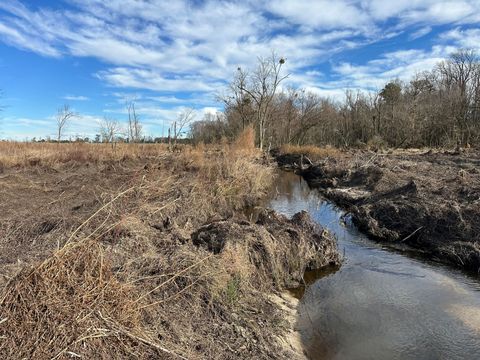
Our Bandit Farms Mitigation Site sits in the headwaters of Morgan Creek in Orange County, so its nitrogen, phosphorus and riparian buffer credits serve the Upper New Hope arm. The site is approved, planted and monitored, with credits on the ledger today.
In the Haw River arm, we serve as mitigation bank consultant on the Ossipee Mill Dam Removal on Reedy Fork near Burlington. Credit types and timing depend on agency approval; contact us if you expect mitigation needs there.
A note on the state program
The Division of Mitigation Services’ in-lieu fee program has at times suspended new buffer and nutrient offset applications in the Upper and Lower New Hope arms. When that is the case, private banks are the only way to obtain credits in those arms. Check DMS’s current status on the DEQ program page, or simply request a quote and we will tell you what is available.
Quick checklist for Jordan Lake projects
- Confirm your sub-watershed with your reviewer or our map.
- Get your nitrogen and phosphorus offset requirements; they are separate quantities.
- If buffer impacts are involved, note the square footage by zone.
- Source credits from a site in the same arm.
- File the Credit Transfer Certificate and ledger copy with your plan approval.
Questions? Contact us or read more about nutrient offset credits and riparian buffer credits.